
Unique Stories
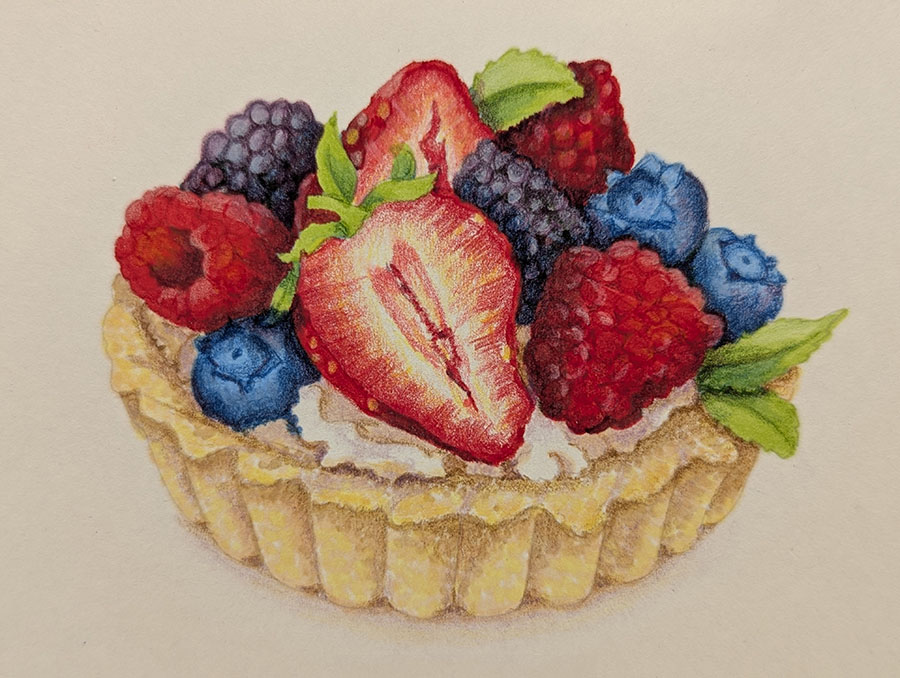
Artistry captures reality through a lens of creativity and precision. These profound creations showcase an incredible level of detail and skill.
Artists utilize tools like pencil to create lifelike images, transforming their observations into stunning visuals.
Every nuance is meticulously noted, reflecting the dedication involved in creating photorealism.
Things around us tell stories – some from the past, some from the present. Photorealism drawing bring those stories to life. Realism artists have ways of doing this with their approach, their materials, and their artistic techniques.
See how they tell their stories below.
Each unique piece conveys a narrative, revealing the artist’s individual perspective and emotions. Renowned works in this style illuminate personal journeys and experiences, engaging viewers on a deeper level.
The movement has profoundly impacted contemporary art, reshaping audience expectations and appreciation. Technological advancements have significantly influenced the techniques employed, continuously evolving this captivating art form.
Exploring these elements deepens awareness of the storytelling behind each image.
Exploring The Essence Of Realism
Artistic expression thrives on authenticity, deeply rooted in genuine representation. Canvas serves as a platform where true experiences come alive.
Artists devote themselves to creating works that resonate with their audience’s emotions and daily lives.
Chuck Close showcases this commitment through his meticulous paintings, employing shading techniques to capture intricate details and achieve hyperrealism.
Richard Estes, an expert in urban scenes, invites viewers into moments that reflect ordinary life with stunning clarity. Each piece encourages an emotional connection, transforming photographs into profound reflections of reality.
The spectrum of painting techniques varies, yet the dedication to showcasing life remains a constant goal across the genre.
Techniques For Lifelike Portraits
Creating depth and authenticity in portraiture requires a keen focus on visual elements. Explore depth and dimension: Techniques such as layering and shadowing enhance three-dimensionality, reminiscent of realism in art.
Focus on texture: Cross-hatching and stippling techniques are effective for mimicking skin complexity, mirroring the detail found in expressionism.
Utilize color theory: Understanding undertones allows artists to choose appropriate hues for lifelike skin tones, essential for achieving photorealism.
Implement light dynamics: How light interacts with surfaces informs effective shading, akin to abstract art principles. Pay attention to details: Unique facial characteristics elevate authenticity, capturing the spirit of the individual.
Tip for capturing skin tones: Blend various shades to reflect natural variations, creating a richer portrait, and consider elements from pop art to enhance visual impact.
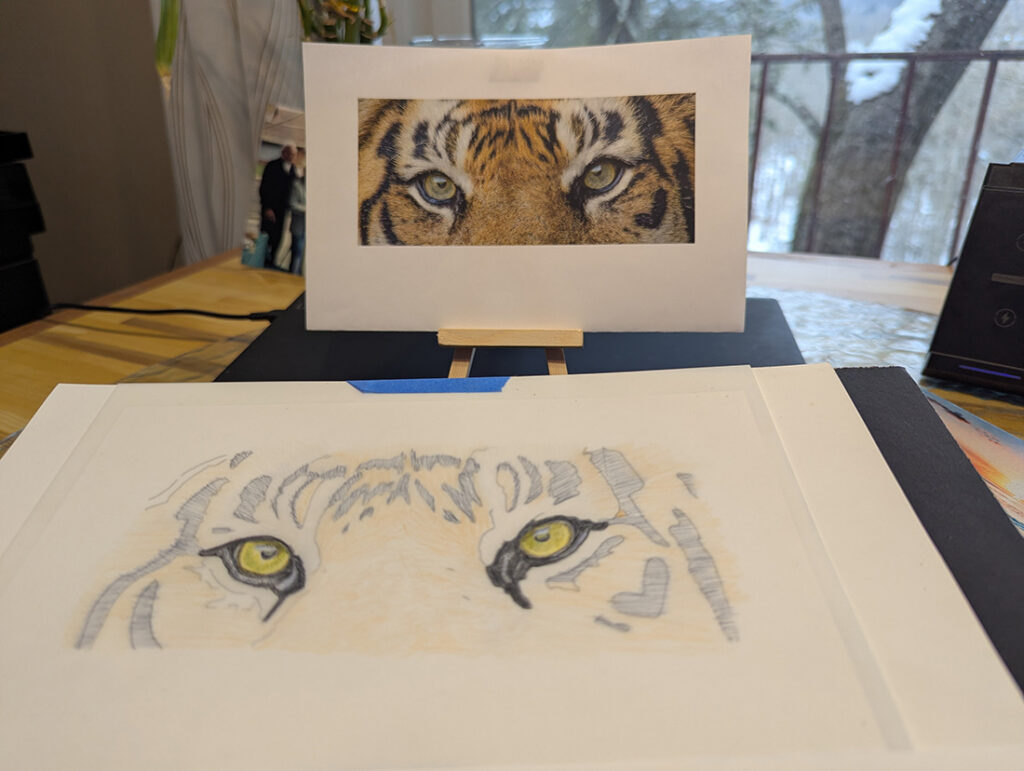
Portraiture Techniques
- Layering and shadowing can create a sense of depth, making portraits appear more lifelike.
- Cross-hatching and stippling are traditional techniques that add texture and detail to skin representation.
- Understanding color theory is crucial for achieving realistic skin tones, as it helps in selecting the right undertones.
- Effective shading relies on the dynamics of light, enhancing the three-dimensionality of the subject.
Materials For Stunning Drawings
Selecting the perfect tools significantly influences the quality of your artistic creations. Graphite pencils, favored by artists like Don Eddy, are invaluable for achieving nuanced shading and intricate details.
Quality paper stands out as it accommodates pencil techniques, allowing for seamless blending and texture.
Notable artists such as Audrey Flack highlight how material selection profoundly impacts the realism and depth of a drawing.
Experimenting with various mediums fosters individual styles and sharpens overall skills. A beginner-friendly drawing setup includes a clean, organized workspace with plenty of light to enhance focus and creativity.
Always keep a sketchbook available for practice, as it encourages exploration and growth in your artistic journey.
Understanding Hyperrealism In Art
A remarkable development within artistic expression, hyperrealism emphasizes intricate detail and lifelike depiction. This movement retains roots in traditional realism, yet it pushes the boundaries of visual representation.
Artists utilize shading and texture meticulously to craft imagery that captivates the viewer’s attention.
Accomplishing photorealism requires mastery in managing color gradients and light to reflect reality accurately.
Tools such as graphite pencils and blending stumps play pivotal roles in creating the depth necessary for lifelike artwork. Reference photos frequently act as essential guides, aiding artists in their pursuit of precision.
Contemporary creators transform mundane scenes into extraordinary visual narratives, inviting audiences to engage deeply with each piece. Notably, artists like Ron Mueck exemplify this genre, showcasing innovative techniques that redefine perception and reality.
| Art Movement | Key Techniques | Notable Artist | Impact on Perception |
| Hyperrealism | Shading, texture, color gradients | Ron Mueck | Redefines perception and reality |
| Traditional Realism | Photorealism | Captivates viewer’s attention | |
| Contemporary Art | Use of reference photos | Transforms mundane scenes into extraordinary narratives |
The Impact Of Chuck Close
Revolutionary techniques transformed the landscape of contemporary art, particularly through photorealist painting.
Craftsmanship in Close’s work exemplifies the principles of realism and hyperrealism, showcasing intricate detail.
Employing his grid method, artists create photorealistic images that challenge traditional portraiture.
Focusing on color and form, Close infuses depth and life into each piece.
Meticulous attention to detail not only enhances the visual experience but redefines vision within the artistic process.
Notably, his influence has galvanized a new generation of photorealists and artists alike.
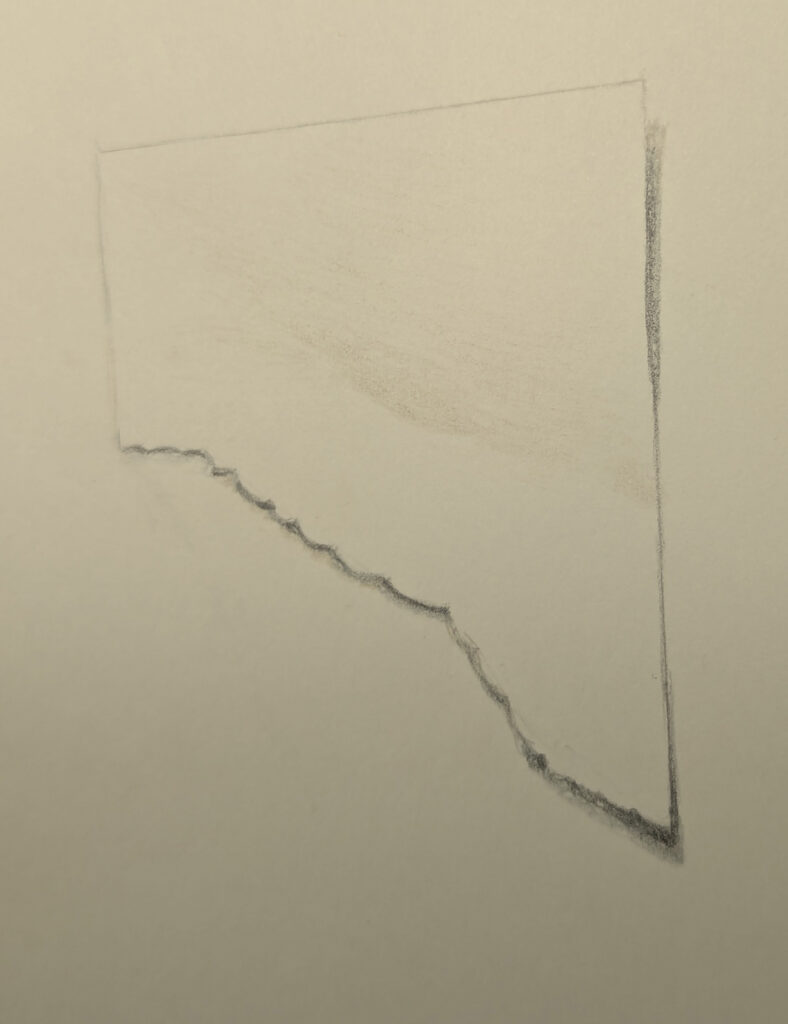
Achieving lifelike representations in art requires understanding shading’s significance. Artists employ diverse drawing techniques to enhance depth, allowing realistic portraits to come alive.
For instance, cross-hatching can introduce texture, while stippling adds intricate lighting effects.
Techniques such as blending are important for smooth transitions and elevate the appeal of photorealistic portraits.
Effective gradients in graphite drawings result from layering multiple pencil strokes, which can create soft, natural fades. Feathering is another helpful method to blend edges gracefully.
Practicing these methods can yield impressive results, enriching any art project.
Shading Techniques in Art
- Cross-hatching is a technique that uses intersecting lines to create texture and depth in drawings.
- Stippling involves the use of small dots to produce intricate lighting effects and can enhance the realism of a portrait.
- Blending techniques are essential for achieving smooth transitions between light and shadow, contributing to photorealistic outcomes.
- Feathering allows artists to blend edges softly, which can improve the overall aesthetic of the artwork.
Creating Depth In Your Art
Creating artwork with dimension significantly enhances viewer engagement. The late 1960s saw an emergence of photorealism, serving as an offshoot of photorealism amidst a backdrop of abstract expressionism.
Artists employing layering techniques can achieve visually stunning hyperrealist effects.
Mastering spatial relationships is fundamental for artists aiming to demonstrate depth effectively.
Incorporating sharp focus realism into compositions allows for a more striking presentation. Practicing with graphite pencils offers a way to refine textures and intricate details.
New realism encourages artists to explore various methods for achieving depth across different mediums. Each layer not only adds dimension but also tells a unique story within your artwork.
Capturing Emotions Through Pencil
Expressing feelings through artistic techniques engages both the creator and the viewer. Hyper-realism serves as a captivating method, allowing intricacies to resonate deeply.
Each nuance in shading defines darks and highlights, further enhancing emotional depth.
Employing mechanical or semi-mechanical means can improve precision, intensifying the sensation conveyed.
Insightful observations of works by Ralph Goings guide artists toward effective emotional representation. Focusing on facial features proves pivotal, as they play a large role in conveying feelings.
Practicing these distinctive techniques consistently nurtures one’s proficiency, fostering an ability to translate emotions into captivating pencil drawings.
| Artistic Technique | Emotional Impact |
| Hyper-realism | Engages both creator and viewer through intricate detail |
| Shading Nuances | Defines darks and highlights, enhancing emotional depth |
| Facial Features | Pivotal in conveying feelings effectively |
| Consistent Practice | Nurtures proficiency in translating emotions into art |