
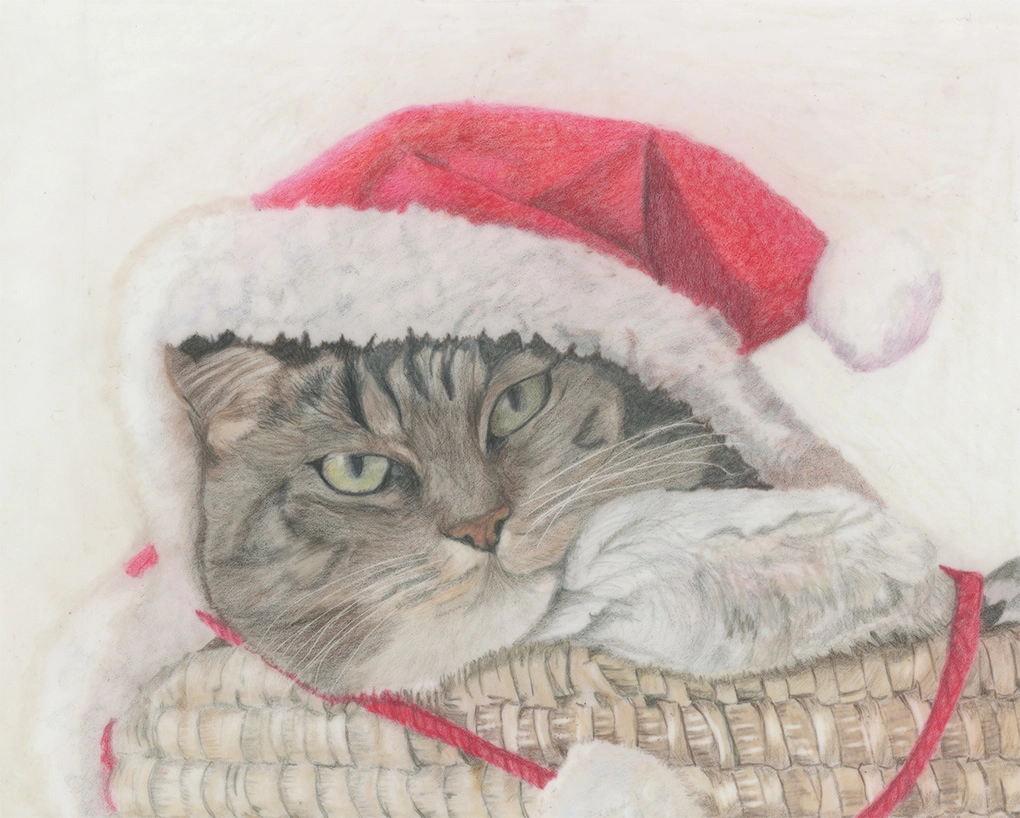
To make realistic drawings of objects and still life drawings, the artist uses sharp observation to capture minute details, shading and nuances. The tools the artist chooses make all the difference. You can find out ways that realism artists create detailed still life drawings below.
Pro Techniques For Realistic Art
Creating stunning visuals requires an artist’s sharp observation and refined techniques. Every artist striving for lifelike representations must hone their skills while crafting pencil drawings of various objects.
A strong grasp of shading and blending methods can significantly elevate the depth of your art.
Selecting appropriate tools, such as premium pencils and high-grade paper, is fundamental for achieving distinct results.
Following structured guidelines streamlines the drawing process, enhancing the overall experience. Avoiding frequent pitfalls aids beginners in advancing their artistic expertise more effectively.
Observation remains a pivotal element in cultivating your artistic talents and fostering continual growth.
Mastering Pencil Techniques
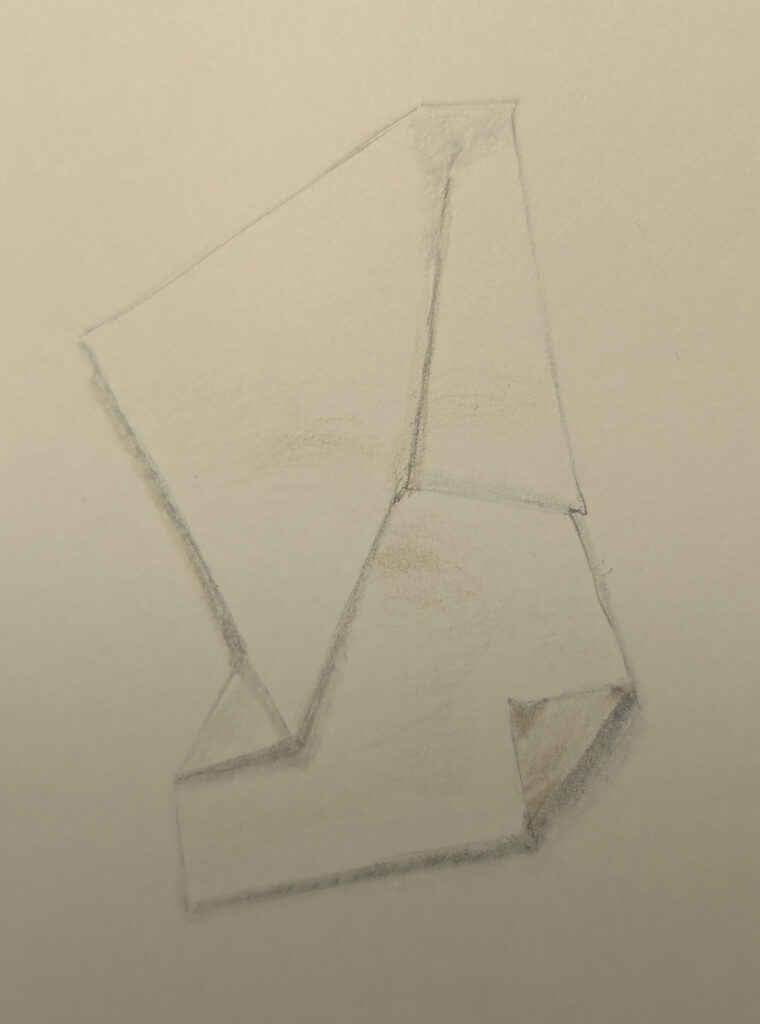
Creating stunning artwork with pencils requires a firm understanding of various techniques. Each method enhances your ability to produce captivating and realistic drawings.
Recognizing value and employing proper shading techniques adds depth and dimension to your pieces.
Blending techniques are vital for achieving seamless transitions within your sketches, ensuring a polished finish.
Implementing texture mapping techniques can significantly elevate your artwork, giving a lifelike quality to surfaces and objects. Regular practice of these methods is necessary for progress.
For instance, engaging in a value scale exercise sharpens your shading abilities, while focusing on object drawing hones your blending skills, improving your overall proficiency in pencil art. Texture studies facilitate an exploration of materials and their visual effects, further enriching your skill set.
Understanding Realistic Textures
Creating lifelike representations requires an understanding of various elements in art. Realistic textures significantly enhance the visual impact, especially when representing subjects such as hair and fur.
Artists utilize techniques that include the pencil as a primary tool to master these effects.
Practicing natural textures, including wood grain and skin, contributes invaluable experience.
Man-made textures like metal and fabric present an opportunity for different artistic challenges. Each of these surfaces demands unique methods to convey their characteristics effectively.
Attention to detail and technique leads to improved realism in drawings, showcasing the artist’s skills and vision.
Realistic Textures in Art
- Realistic textures enhance the visual impact of artwork, making subjects more lifelike.
- Techniques such as pencil shading are essential for mastering texture representation.
- Practicing natural textures like wood grain and skin improves an artist’s skill set.
- Different materials, such as metal and fabric, require unique methods to accurately depict their characteristics.
The Importance Of Lighting
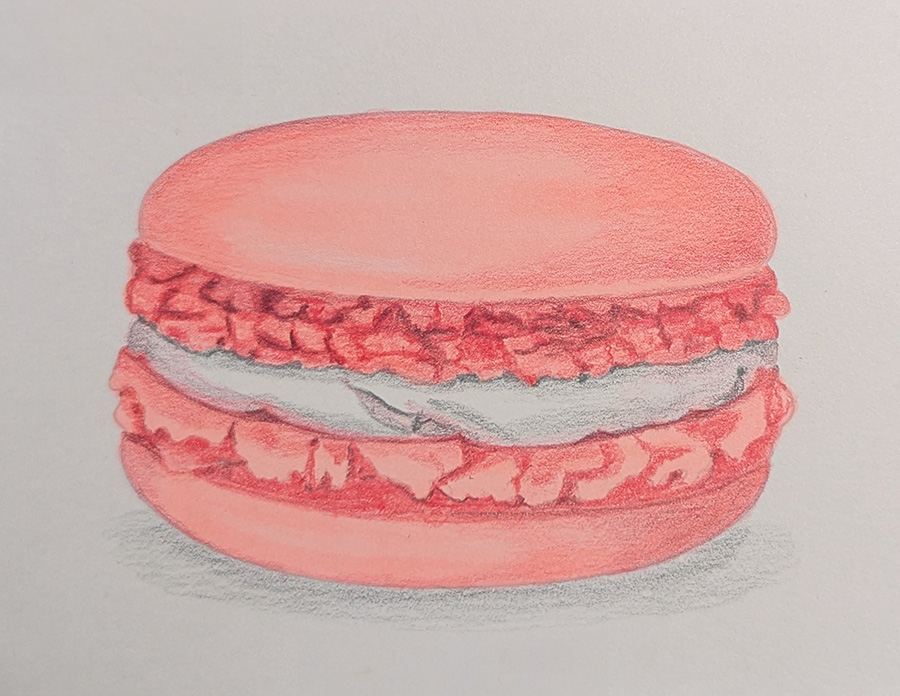
Proper illumination holds remarkable power in enhancing art pieces and transforming them into stunning visual experiences. Artists must grasp the fundamentals of how light interacts with different objects to create astonishing effects.
Light sources significantly influence shadows and highlights, revealing intricate textures that define the overall composition.
The angles of light play a crucial role in shaping perception, adding depth to realistic drawings and making them come alive.
Consistent illumination fosters uniform appearances across surfaces, which greatly enhances artistic expression and interpretation. Exploring the interplay between light and texture is paramount in achieving lifelike pencil art that captures the viewer’s eye.
Practicing various lighting scenarios allows artists to observe these effects firsthand, sharpening their skills. Engaging in exercises centered on light will cultivate strong observational capabilities in pencil drawing, crucial for refining realism in art.
Capturing Depth In Your Art
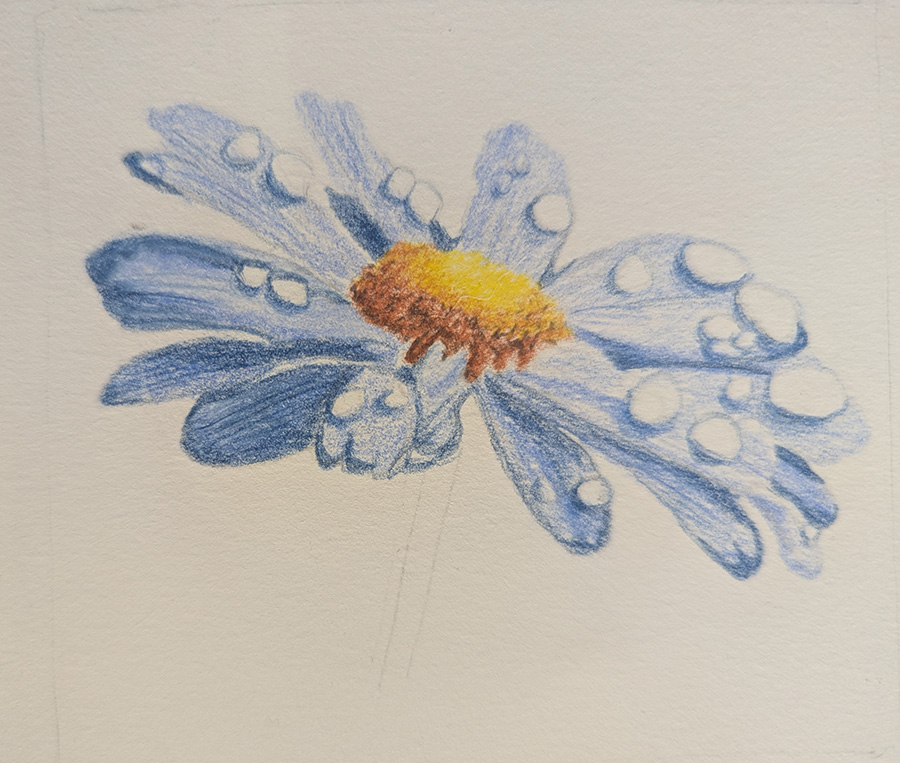
Creating a captivating visual experience requires artists to master depth within their creations. Realistic pencil techniques are fundamental to achieving this effect, guiding the viewer’s eye through spatial relationships.
Lighting plays a significant role, as it defines contrasts and exemplifies the dimensions in art.
By employing methods such as chiaroscuro, artists can effectively highlight variations, enhancing the illusion of depth.
Texture is another essential element; diverse surface details evoke a sense of roughness or smoothness in the artwork. Layering different objects strategically allows for a rich exploration of depth, inviting viewers to engage more deeply.
For additional inspiration, viewing videos that showcase these techniques can be immensely beneficial, equipping artists with valuable insights for their practice.
Creating Depth in Art
- Realistic pencil techniques are essential for guiding the viewer’s eye through spatial relationships.
- Lighting, through techniques like chiaroscuro, enhances the perception of depth by defining contrasts and dimensions.
- Texture adds depth by creating a tactile quality, making the artwork feel more engaging and realistic.
- Strategic layering of objects allows for a more complex exploration of depth, drawing viewers into the artwork.
Essential Tools For Pencil Drawing
Quality artistry begins with the selection of appropriate instruments that elevate your pencil drawing experience. Graphite pencils come in various hardness levels; each type influences the texture and tonal depth of your image.
Blending tools, such as tortillons or stumps, play a significant role by enhancing the overall texture, allowing for smoother transitions in shading.
Erasers serve multiple purposes; they not only correct mistakes but also aid in creating highlights, which contribute to the depth of your artwork.
Choosing the right paper can significantly impact your results; textured options facilitate better grip for your pencil, improving mark visibility and precision.
To refine your skills, learn to explore different tools and techniques, discovering how they can elevate your unique artistic style.
Tips For Realistic Fur And Hair
Enhancing artistic prowess with fur and hair representation requires a thoughtful approach to texture. Artists must pay attention to the intricate details of various fur patterns and lengths.
The interplay of lighting significantly influences how depth and shadow are perceived in your work.
Accurately capturing highlights and dim areas can create a three-dimensional effect that breathes life into your pieces.
Blending techniques contribute to the softness that is essential for realistic depictions. Pencil stroke styles should adapt; using short strokes can represent coarse details while longer strokes emulate the gentle flow of fur.
- Experiment: Utilize varying pencil grades for precise texture determination.
- Study: Examine photographs to appreciate the delicate interplay of light and texture.
These fundamental skills will significantly enhance your overall composition of lifelike artistry.
| Technique | Description |
| Texture Representation | Focus on the intricate details of fur patterns and lengths. |
| Lighting Effects | Utilize lighting to enhance depth and shadow perception. |
| Pencil Stroke Styles | Short strokes for coarse details, longer strokes for soft fur flow. |
| Material Variation | Experiment with different pencil grades for texture accuracy. |
Creating Depth With Contrast
Effective visual techniques significantly enrich the depth observed in artwork. Drawing styles can become more captivating through strategic adjustments, enhancing the viewer’s overall experience.
An engaging drawing guide reveals how these methods draw attention to key elements, captivating those who explore your pieces.
Each exercise allows artists to experiment with different levels of contrast, revealing how these choices affect the dimensionality in their creations.
Utilizing resources like Pinterest offers a plethora of inspiration for practicing contrasting techniques. Practicing with edges can transform simple outlines into complex forms, enriching the art’s visual interest.
This approach not only elevates drawing skills but also harmonizes with previously discussed concepts of depth and lighting.
A Beginners Guide To Realistic Sketching
Creating lifelike images on paper can ignite your passion for art. Attention to surface detail and practice builds a strong foundation for beginners.
Mastering basic techniques is essential for enhancing your skills effectively.
Accurate proportions play a significant role in achieving realistic representations.
Begin by closely observing different objects and identifying their unique shapes. Quality equipment, such as sharp pencils and smooth paper, can greatly impact your results.
Practicing shading techniques will add depth and texture to your creations. Examples of successful sketches often demonstrate the importance of light and shadow.
Regularly challenging yourself with various subjects fosters growth in your abilities and refines your personal style.
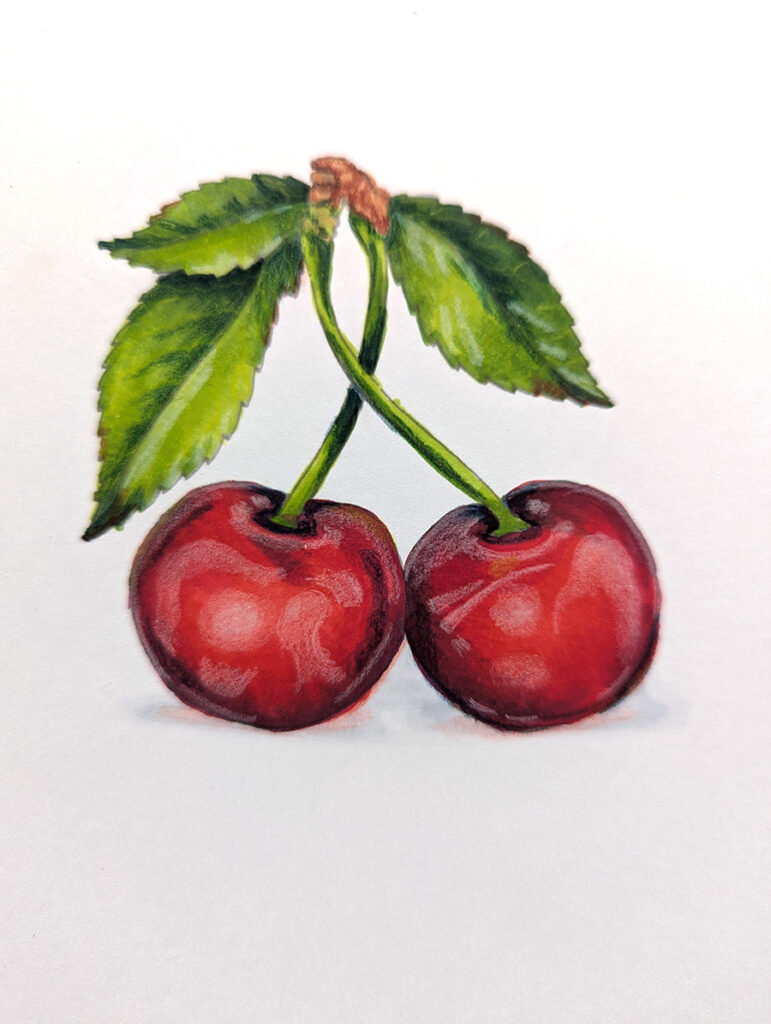
Creating Lifelike Images
- Attention to detail is crucial for achieving realistic art.
- Practicing shading techniques enhances depth and texture in drawings.
- Using quality materials, like sharp pencils and smooth paper, improves overall results.
- Regularly challenging yourself with different subjects can refine your artistic style.