What Is Plein Air Art

Is Urban Sketching the same as plein air painting? Or drawing? Or painting?
I’m often asked, “What’s the difference between urban sketching and plein air art?”
There are both similarities and differences.
For both urban sketching and plein air art, you create art on location – not from photos or your imagination.
Here’s how they’re different:
Urban sketching
Urban Sketching is drawing everyday life – recording what you see as it happens. It can be in cities and towns, streets, cafes, people or architecture – inside or outside. The focus is on a scene or part of a scene that interests you and tells a story.
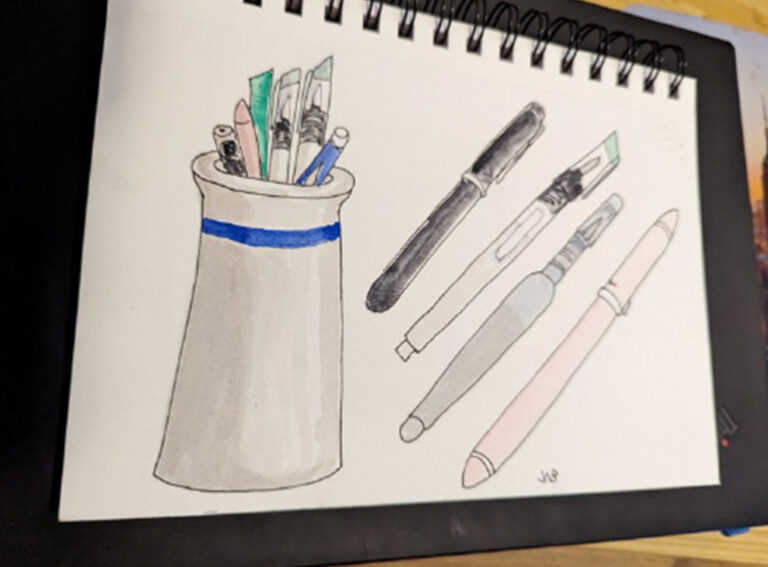
Whatever you’re sketching, you’re capturing what you see directly as you see it, and telling the story of a location or scene. Materials and supplies are portable. People sketch in sketchbooks or sheets of paper, with ink, watercolor, markers and/or pencils. The emphasis is on telling the story from your direct observation. It can be thought of as visual journaling. It’s usually done more quickly than completing a painting.
Plein air art
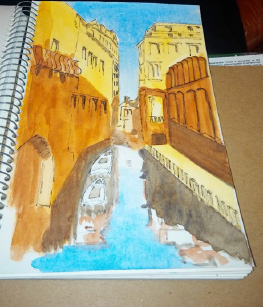
Plein air art comes from the French for “in the open air”, and refers to painting outdoors, especially landscapes and in natural light. Historically, plein air art is associated with artists like Claude Monet and the Impressionists.
Subjects are often landscapes, mountains, coastlines and gardens. The focus is on painting the scene that’s in front of you, and natural light. Atmosphere, light and color relationships are important. Oil paint on canvas is the traditional material for plein art, though watercolor in also be used. It’s not as portable as Urban Sketching. Artists may spend several hours on one piece. Plein air artists often bring an easel for their canvas and oil paints.
One way to think of it is —
- An urban sketcher might sit in a café drawing people with ink and watercolor. “I’m documenting this live moment.”
- A plein air painter might spend three hours painting the same street corner to capture sunset light. “I’m studying light, atmosphere, and place outdoors and painting it.”
You Can Ask Jan Wallen More Questions at the Saugerties Artists Studio Tour
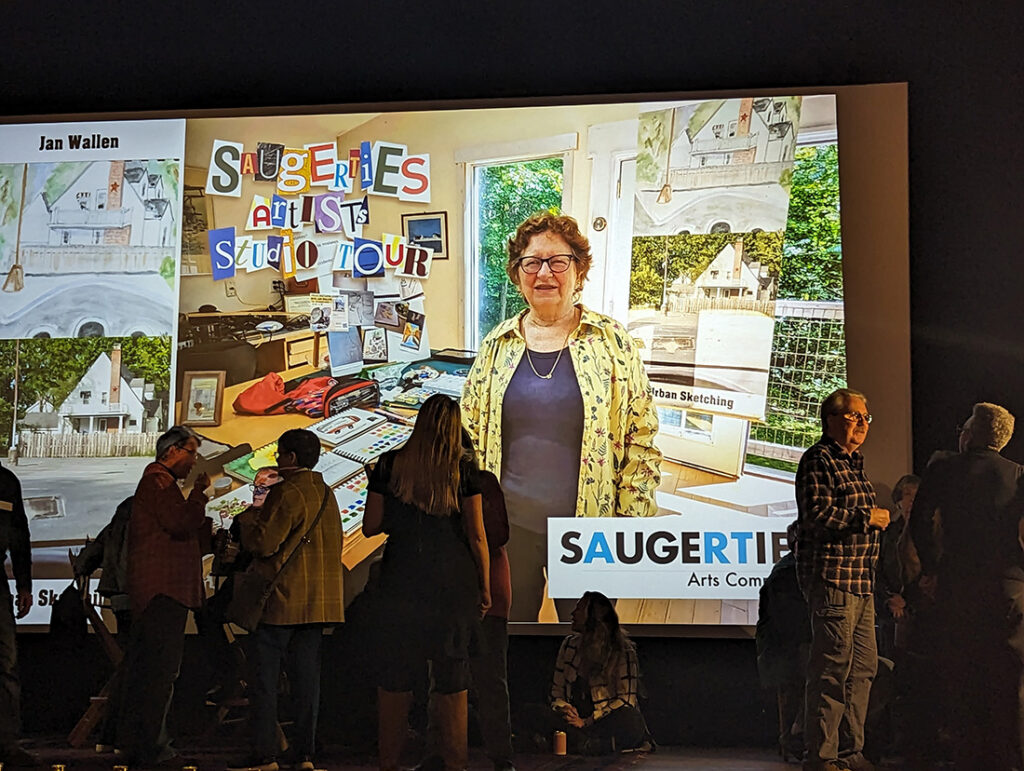
The Saugerties Artists Studio Tour is held every year, always the second week in August in Saugerties, NY. This year is the 22nd anniversary of the Tour. Artists with many different types of media are on the Tour. They open their studios to the public that weekend, so people can see where the art is created and talk to the artists.
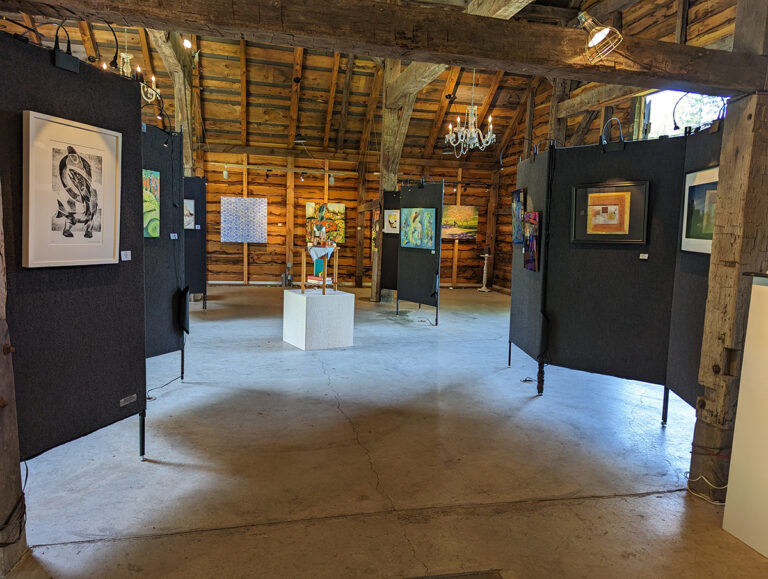
Before the Tour, there’s a show at The Barn (part of the Saugerties Historical Society) where a number of the artists display their work. There are artists on the tour who create in many types of media. I decided to be on the Tour because I love Urban Sketching, and I thought there were people who may not know what it is. I love to introduce new things and new ideas. Sure enough, there were people who weren’t familiar with Urban Sketching.
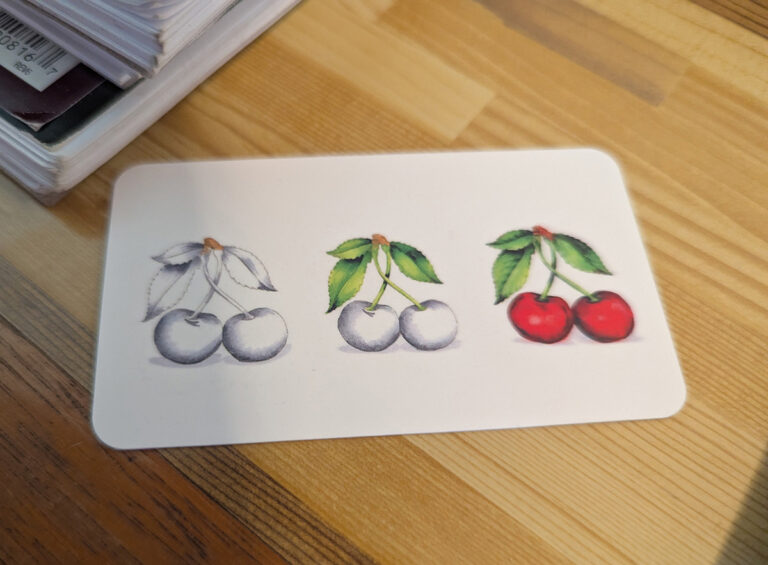
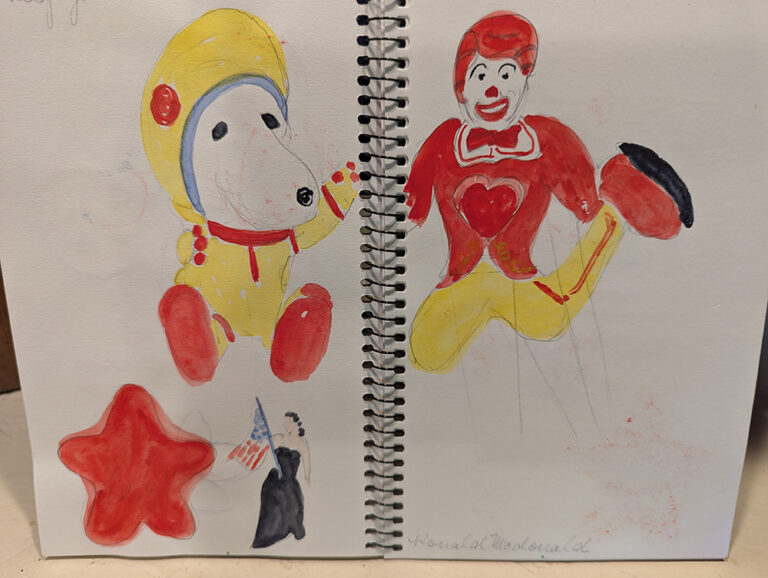
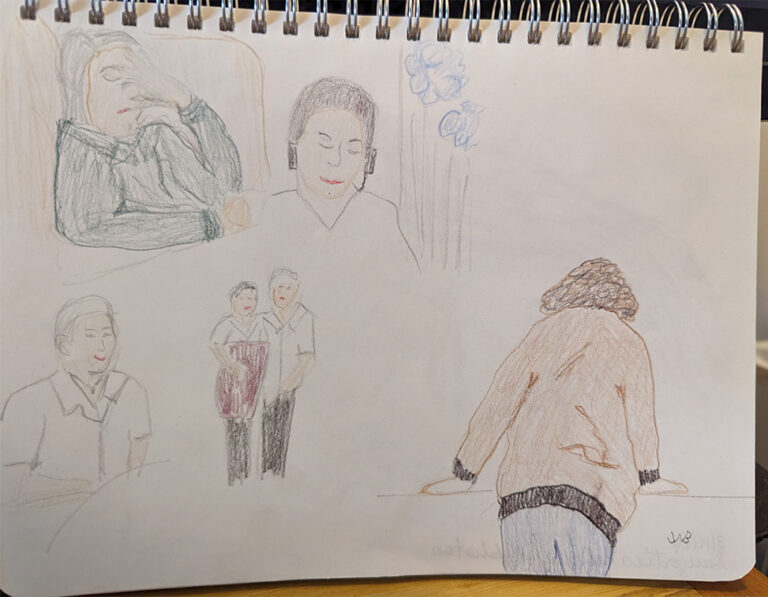
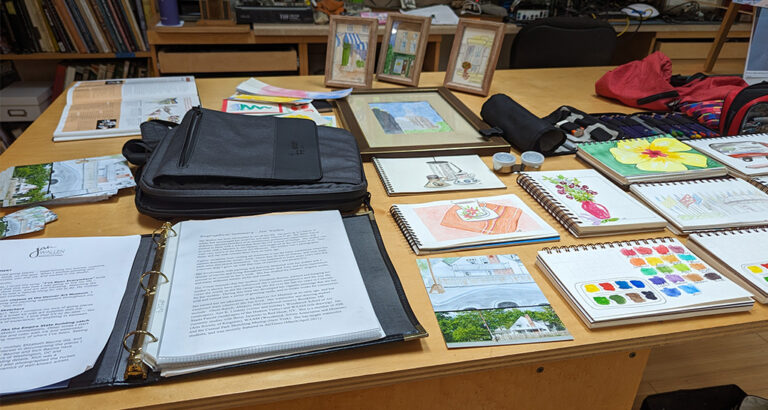
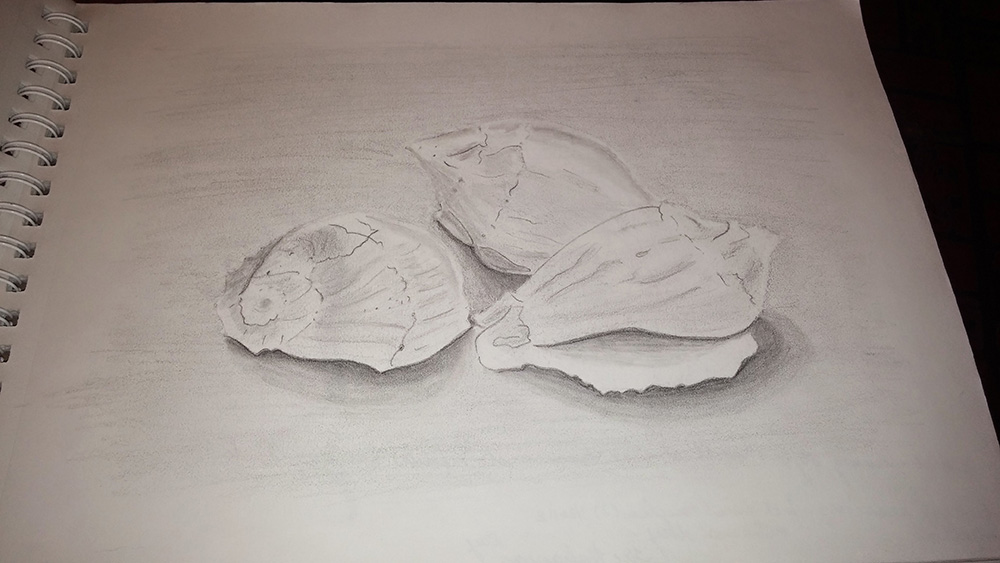
I created a framed piece for the Barn Show that shows the difference between drawing, painting and sketching. It shows 1) a pencil drawing of 3 shells that I did some time ago when I was concentrating and learning drawing, 2) a watercolor painting I did of sunflowers when I was on the Saugerties Artists Studio Tour a few years ago with watercolors, and 3) 4 sketches that I did on location (a requirement for Urban Sketching).
For me, sketching is observing and recording moments of time that you’re experiencing. Something that catches your eye. It could be people, a festival, a building, a street scene, an interesting café or coffee shop.
It’s usually done in a sketchbook rather than separate sheets of paper. You can use any materials you like – from paper and pencil, to ink, fountain pens, brush pens, markers, pastels, watercolors, and any combination. Your sketchbook is your own – you don’t have to show anyone your sketches if you don’t want to. A sketch can also be an initial observation and study of a subject that you’ll later turn into a drawing or painting.
One of the things I love about Urban Sketchers is that when we do a group sketch, we share the work we’ve done and learn from each other It’s not a critique. It’s a chance to see different styles and interpretations and learn from each other.
I think of drawing as having a different purpose. For me, drawing is studying something carefully and using pencil, charcoal and similar materials to document what’s in front of you. It’s often done in a more accurate style than sketching, often following design and composition principles. To me, it’s a more detailed style than sketching.
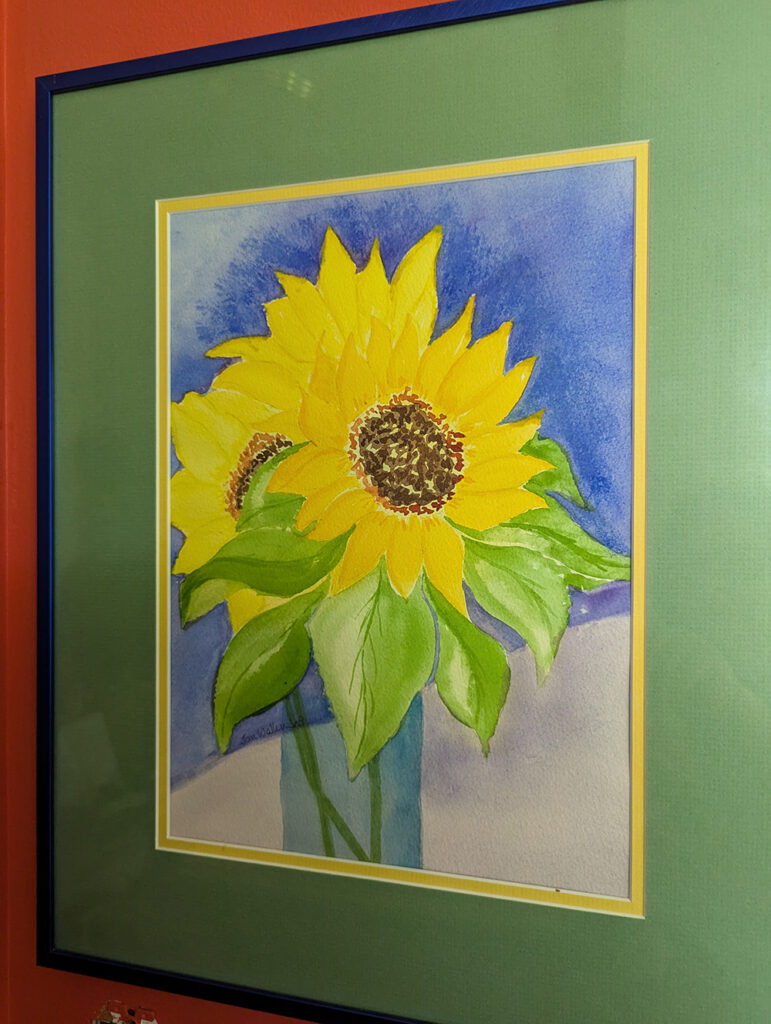
While watercolors and other paints are used sometimes in sketching and Urban Sketching, a painting to me is designed to be framed and on display or sold to an appreciating audience. Again, it’s a different purpose than sketching.
Remember, you don’t have to have any artistic experience to sketch and do Urban Sketching. If you do, great. If not, great. You can start sketching if you can draw a line, a circle and a square.
About Jan Wallen
I grew up in a family of artists, and started art classes at the Denver Art Museum when I was five years old. During my business career, travels and living overseas in Europe and Asia, I continued my artwork with watercolor and urban sketching. Several artists have been my instructors and mentors including, Amy Shulke, Alan Ramiro, Ian Fennelly, David Drazil, Bonny Snowdon and Kirsty Partridge.
More recently I’ve studied drawing realism with colored pencils and ink, and specifically, pet portraits. I’ve always been a cat lover, and cats have always been a part of my life. What I love most about pet portraits is the precision involved in creating the portraits, taking time to understand the unique details and personality of the pet whose portrait I’m drawing, and incorporating that into the portrait.
I work from photographs that the owner and I review together as we talk about the uniqueness and personality of their pet. My artistic process is to first choose the photograph(s) with the pet owner, then choose the quality paper and pencils that best represent the pet, and start the portrait, building up layers for texture and depth.
When you come to my Studio this year, you’ll see examples of pet portraits I’ve completed, small studies that I do to keep my skills sharp and other artworks in realism. Plus, I’ll answer any questions you may have.